In 2022, I wrote about the damning fall of events tech company Pollen. The short of it:
Pollen seemed to have pulled off the improbable feat of building a business in the notoriously low margin industry of events, surviving Covid-19, and building a solid software engineering organization. In April this year, the company announced it had raised another $150M in fresh funding.
But just three weeks later, Pollen laid off about 200 people, a third of staff. Leadership assured employees all was well. However, from that point on, things got worse. Leadership later pulled the plug on Slack, employees were not paid wages, pension contributions went missing, and vendors were not paid. Some vendors took matters into their own hands; on 9 August 2022, JIRA was suspended when Atlassian tired of the company’s failure to pay.
On 10 August 2022, Pollen went bankrupt, collapsing into administration.
The article looked bad on Pollen's founder, Callum Negus-Fancey. He was ultimately responsible for lying to staff, not paying salaries, the missing pension contributions, and the unpaid health insurance for US employees. The story was so bad that the BBC created a documentary titled Crashed: $800M Festival Fail.
And then there was the $3.2M dobule charge for customers, manually initiated by CTO Bradley Wright, detailed extensively in the documentary Crashed: $800M Festival Fail. That double charge would have been trivial to reverse, but the reversal never happened, customers never got their money back, and the postmortem of the incident was never released to staff.
Four years later, Pollen and Callum Negus-Fancey are attempting to erase this shameful story from the public record. The article is my original writing, and thus I am the copyright holder of it. So imagine my surprise when I was notified that Google removed the article from its search results thanks to a copyright infringement claim it received:
It seems that anyone can file a bogus copyright claim to get an article they don't like removed from Google's search index. This happened in this case. I have no information on who filed the copyright claim. Even less so on who claims to be the copyright owner? Because I am the only possible copyright owner!
And Google has gone ahead and removed my article about Pollen's shameful collapse from its search results.
I have the option to appeal, which I have done so.
Google's copyright removal system is clearly being abused, to a comical degree. Someone doesn't like that I went into extreme detail about the events at Pollen - all of which are facts. And, for some reason, bogus copyright requests can be weaponized to remove information like this from Google's search index.
I managed to find the bogus DMCA complaint submission, after Google removed my site from search results. It is absolute BS: it claims that my original article is a copy of a The New York Post article. Which is absolute nonsense!
This "Ellie Piee" claimed that this 1998 article titled Band Leader Hits Winning Chord was copied by my article Inside Pollen’s Collapse: “$200M Raised” but Staff Unpaid - Exclusive. The two do not even share a single sentence!
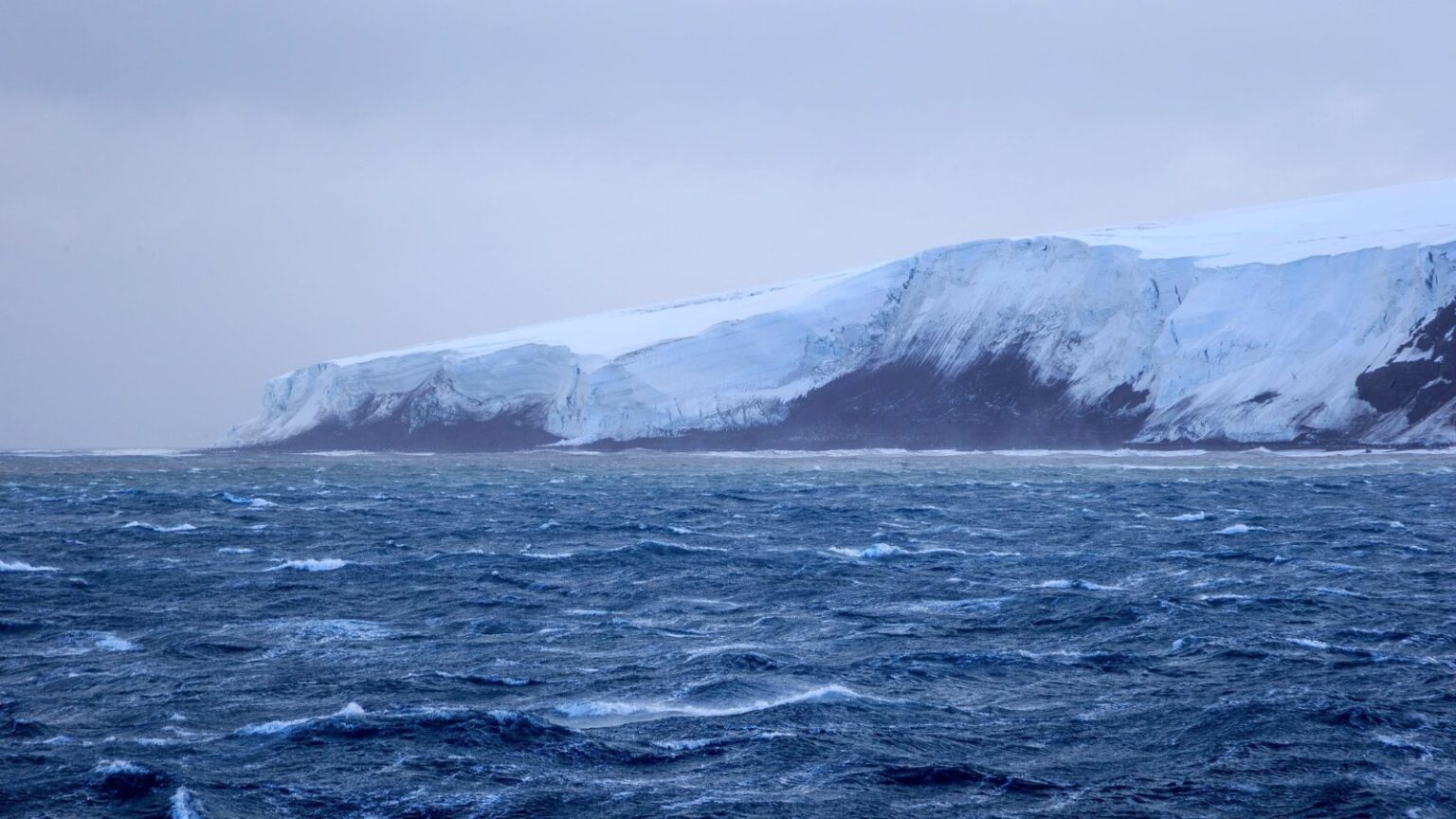
The fake DMCA is made by a fake profile from a country with zero inhabitants. The removal requests by this "Ellie Piee" are made from the country called Bouvet Island, an uninhabited Norwegian dependent territory in the South Atlantic/Southern Ocean near Antarctica. It has zero inhabitants, and is referred to as the "world's most remote island."
Why does Google allow fraudulent DMCA notices to be filed with no penalty? My own speculation is that it is clear enough that either Pollen, or its former CEO Callum Negus-Fancey, or its cofounder and COO Liam Negus-Fancey or someone else related to the company hired reputation firms to remove Pollen articles from Google. This firm then files the most bogus requests under fake names supposedly residing in uninhabited regions of the world, and Google complies.
I never thought I would have to revisit the shameful history of Pollen, but someone at the company felt the need to prompt me to do so.
Lawsuits are still ongoing against Pollen, by the way. Now that someone from Pollen tried to erase the record of this story, I got a bit of renewed interest in what has happened since. In California, the lawsuit Tayler Ulmer vs Pollen is still in progress, summarized as:
- Tayler Ulmer and five other named former employees, on behalf of themselves and “all similarly situated employees” claim to have been laid off without paid wages and benefits, plus claiming possible fraud
- The filing says that Pollen executives Callum Negus‑Fancey, Liam Negus‑Fancey, and James Ellis are personally liable in this lawsuit
- The lawsuit wants to reclaim unpaid wages, unpaid severance, restoration of lost 401(k) contributions, and a uling that all the named entities and individuals are jointly liable, including successor entities, so employees can collect regardless of how Pollen shuffled assets and dissolved subsidiaries
I am wishing best of luck to the claimants - former Pollen employees - and we will see how the judge rules in this lawsuit. The more Pollen wants to silence me writing about this, the more I'll likely pay attention.
Pollen executives should have read what the Streinsand effect means!
Subscribe to my weekly newsletter to get articles like this in your inbox. It's a pretty good read - and the #1 software engineering newsletter on Substack.